
For many homeowners, the basement is an overlooked and underutilized space. It often serves as a dark repository for holiday decorations, old fitness equipment, and forgotten storage bins. However, an unfinished basement represents a massive amount of untapped potential. Finishing your basement is one of the smartest investments you can make, offering a unique opportunity to expand your living space without changing your home’s footprint or sacrificing yard space.
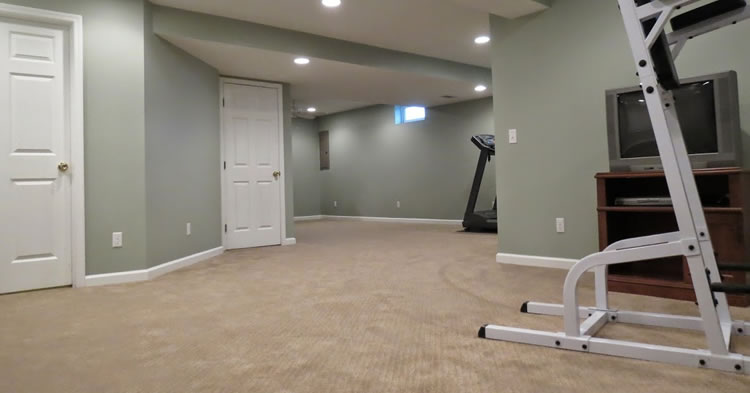
Whether you envision a sleek home office, a vibrant entertainment center, an extra bedroom for guests, or a personal gym, transforming this lower level requires careful thought. Successfully finishing a basement is about more than just hanging drywall and laying down carpet; it requires addressing the unique environmental challenges of below-grade spaces to ensure a comfortable, long-lasting result.
Prioritize Moisture Control and Waterproofing
Before you buy a single piece of lumber or pick out a paint color, you must address the absolute most critical factor in basement design: moisture. Because basements are located underground, they are naturally prone to dampness, humidity, and hydrostatic pressure from surrounding soil. Covering up an existing moisture issue with insulation and drywall is a recipe for mold, mildew, and costly structural damage down the road.
Begin by inspecting your basement thoroughly after a heavy rainstorm. Look for signs of water entry, such as condensation on the walls, trickling water, or a white, powdery substance on the concrete known as efflorescence. Small cracks in the foundation should be sealed with epoxy or polyurethane injections.
Additionally, ensure your home’s exterior drainage system is functioning perfectly. Direct your gutters downspouts at least six feet away from the foundation and verify that the ground slopes away from your home. For peace of mind, installing a reliable sump pump and applying a high-quality waterproof sealant to the interior concrete walls are essential precautionary steps.
Maximize Natural Light and Artificial Illumination
Basements are notoriously dark, which can make them feel uninviting or cave-like if the lighting is poorly planned. Maximizing both natural and artificial light is key to making your finished basement feel like a natural extension of the upper floors.
If your basement has existing windows, keep the window wells clean and clear of debris to let in as much natural sunlight as possible. If budget permits, enlarging these windows or adding egress windows not only brings in beautiful light but also ensures the space meets legal safety codes for an extra bedroom.
When it comes to artificial lighting, layering is the secret to success. Recessed ceiling lights, often called pot lights, are the gold standard for finished basements because they do not take up valuable headroom in spaces with low ceilings. Complement these overhead lights with task lighting, such as desk lamps or under-cabinet LED strips, and ambient lighting, like wall sconces, to create a warm, welcoming atmosphere.
Choose Durable, Moisture-Resistant Materials
The environmental conditions of a basement demand specific material choices. Traditional hardwood flooring, for instance, is highly susceptible to warping and buckling due to changes in humidity, making it a poor choice for concrete subfloors.
Instead, opt for modern, highly durable alternatives. Luxury Vinyl Plank (LVP) flooring has become incredibly popular for finished basements because it mimics the look of real wood, feels warm underfoot, and is 100% waterproof. Engineered wood, ceramic tile, and high-quality stain-resistant carpeting with a synthetic pad are also excellent options.
When it comes to the walls, consider using mold-resistant drywall (often called greenboard or purple board) and polystyrene foam board insulation rather than standard fiberglass batts, as foam board acts as an extra vapor barrier against the concrete.
Plan for Proper Ventilation and Temperature Regulation
Keeping your finished basement at a comfortable temperature year-round can be a challenge. Basements naturally stay cooler in the summer but can become uncomfortably chilly during the winter months.
To ensure a comfortable climate, verify whether your existing HVAC system has the capacity to handle the additional square footage. You may need to have an HVAC professional extend your current ductwork to include return vents near the basement floor, which helps draw out cool air and circulate warm air. Alternatively, installing an independent heating and cooling solution, such as a ductless mini-split system or an electric fireplace, allows you to control the basement’s temperature independently from the rest of the house.
Do not forget to keep a dehumidifier running to maintain ideal indoor humidity levels, preventing that classic “basement smell” from developing.
Conclusion
Finishing your basement is an incredible journey of transformation that turns a dark, neglected storage zone into a beautiful, functional asset. By taking the time to properly waterproof the foundation, carefully planning a layered lighting scheme, selecting moisture-resistant materials, and ensuring adequate climate control, you create a space that feels bright, safe, and comfortable. This rewarding home improvement project not only enhances your daily quality of life by giving your family room to grow, but it also significantly boosts your property’s overall market value for years to come.